10 Ways to Save Money on Groceries
Save to Pinterest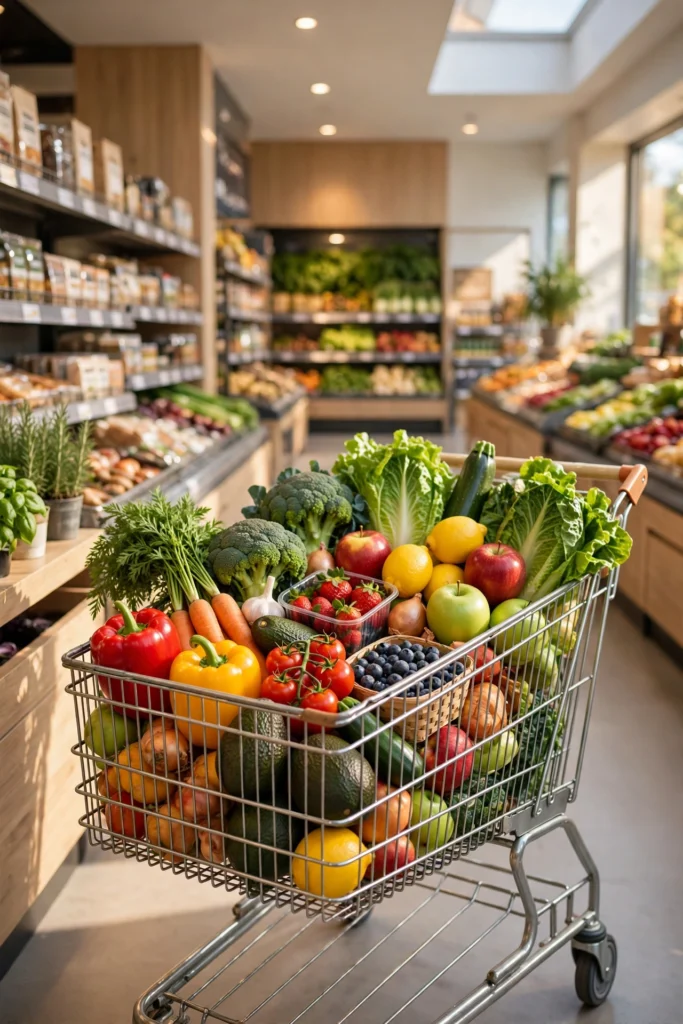
Groceries are one of the biggest monthly expenses for most households — and also one of the easiest to shrink. If you want to save money on groceries without eating nothing but instant noodles, you are in the right place. Small changes to how you plan, shop, and store food can easily cut your grocery bill by a noticeable amount every month, and none of them require you to give up the meals you love. These ten strategies are practical, beginner-friendly, and proven to work in real kitchens. Pick a few to start with this week and watch your savings grow.
- Plan Your Meals Before You Shop: Walking into the store without a plan is the fastest way to overspend. Sit down once a week, check what is already in your fridge and pantry, and plan your meals around those ingredients first. Then write a list of only what you need to fill the gaps. Shoppers who plan consistently spend far less because every item in the cart has a purpose before they leave the house.
- Shop With a Full Stomach: Hunger is a terrible shopping companion. Studies and common sense agree: hungry shoppers buy more, and they buy more impulse snacks and treats. Eat a meal or at least a filling snack before you head to the store. You will stick to your list more easily and come home with fewer unplanned extras.
- Buy Store Brands Without Fear: For pantry staples, dairy, frozen vegetables, and cleaning basics, store brands are often made in the same facilities as the big names — at a fraction of the price. Try swapping one category at a time, starting with items where brand loyalty matters least. Most families find they cannot tell the difference, but their receipts certainly can.
- Embrace Frozen Fruits and Vegetables: Frozen produce is picked at peak ripeness and is often more nutritious than the “fresh” produce that traveled for days to reach the shelf. It costs less, lasts for months, and eliminates the guilt of watching fresh berries go mushy in the fridge. Keep frozen berries, peas, corn, and spinach on hand for smoothies, soups, and quick side dishes.
- Buy Seasonal Produce: A watermelon in winter costs triple what it does in July, and it tastes worse too. Seasonal fruits and vegetables are cheaper, fresher, and more flavorful because they did not travel halfway around the world. Learn what is in season in your area and build your meal plans around it — your wallet and your taste buds will both thank you.
- Cut Back on Food Waste: The average household throws away a shocking amount of food every year, which is literally money in the trash. Store leftovers properly, learn which foods freeze well, and do a weekly “use it up” meal — a stir-fry, soup, or frittata built from whatever needs eating. Tracking what you throw away for a month will reveal exactly where your grocery money is leaking.
- Compare Unit Prices, Not Sticker Prices: The bigger box is not always the better deal. Check the unit price (price per ounce or per pound) on the shelf tag before deciding. Bulk deals only save money if you will actually use the product before it expires. For perishables your household will not finish in time, the smaller package is often the smarter buy.
- Shop the Store’s Perimeter First: Fresh produce, dairy, meat, and bread live around the edges of most grocery stores, while the expensive processed and packaged foods fill the center aisles. Building your cart from the perimeter first naturally leads to healthier, cheaper meals. You will still visit the middle for pantry staples, but you will buy fewer impulse items along the way.
- Try a Cheaper Store for Staples: You do not have to do all your shopping at one store. Discount grocers and warehouse clubs often beat regular supermarkets on staples like rice, pasta, canned goods, and frozen items by a wide margin. Even shifting just your pantry-stock-up trips to a cheaper store can make a real dent in your monthly total.
- Grow a Few Herbs at Home: Fresh herbs are one of the priciest items per ounce in the produce section, and half the bunch usually wilts before you use it. A small pot of basil, mint, or rosemary on a sunny windowsill costs a few dollars and keeps producing for months. It is the easiest gardening win there is, and it makes every meal taste better.
Saving money on groceries is not about deprivation — it is about being intentional. Start with meal planning and one or two of these habits, and let the savings compound week after week. Within a month, you will wonder why you ever shopped any other way. Which of these grocery-saving tips will you try first? Share your favorite in the comments!
Disclaimer: This article is for general information only and is not professional financial advice.